


Bruno
GA Member
- Jul 1, 2018
- 2,951
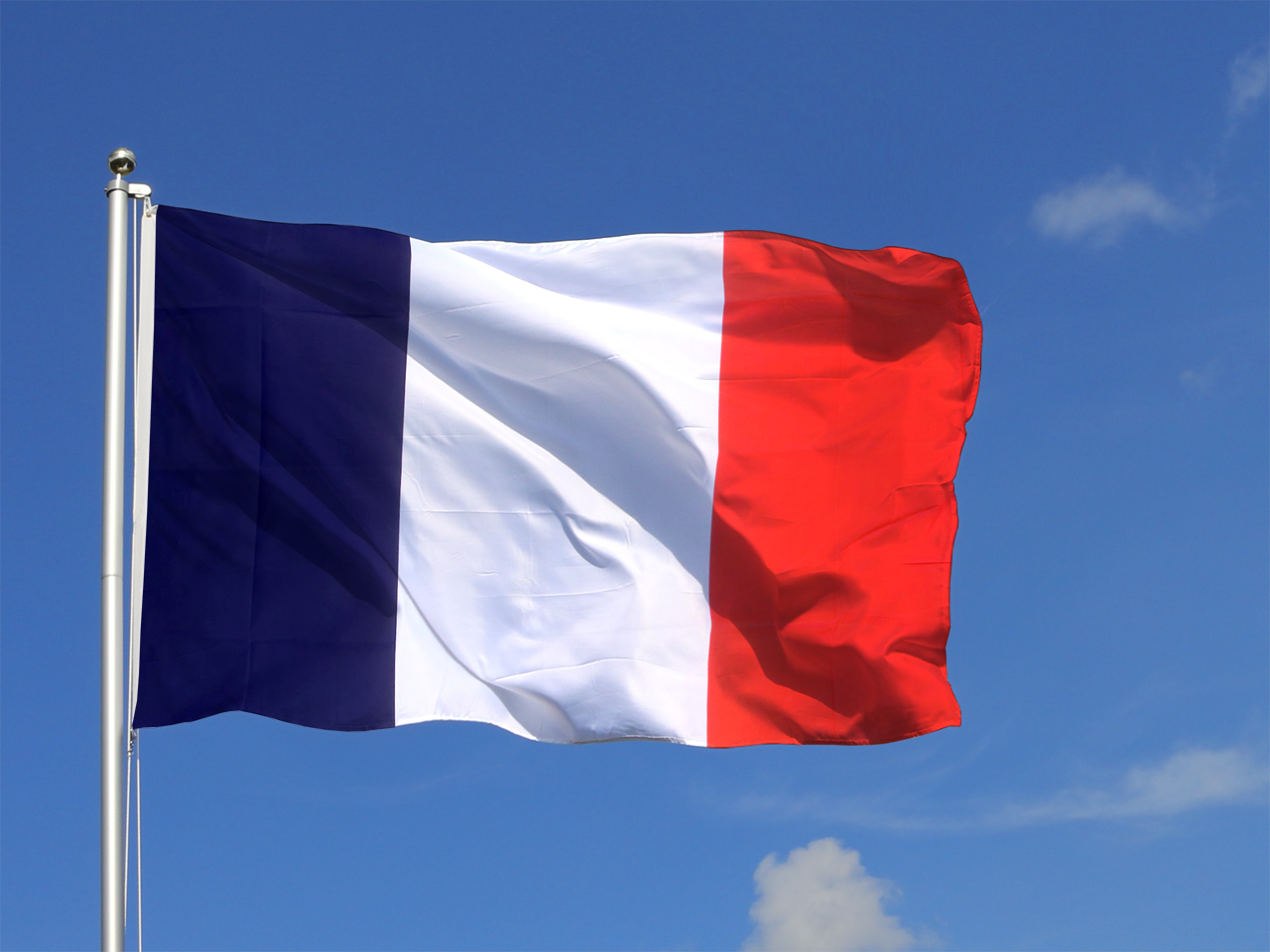
Chapter I – The Years of Hollow Crown
France has never died quietly. No… when she falters, she does so beneath the gaze of history itself. And yet, there are seasons, though rare and dangerous seasons, when France does not rage… but drifts. When she does not collapse… but forgets how to live. For nearly a decade, the nation existed in suspension. Not quite declining. Not quite stable. Simply… hovering.
Governments rose with solemn declarations of renewal. They fell with carefully worded statements of regret. A republic would be proclaimed in spring, hopeful, reformist, certain of its virtue, only to fracture by winter beneath factional rivalry. Then would come a monarchist restoration, wrapped in the language of continuity, heritage, destiny… and yet unable to command the machinery of the modern state it claimed to inherit.
To the outside world, it all appeared almost theatrical! France, once more experimenting with her old archetypes: the crown, the assembly, the constitution rewritten as though it were parchment in a drafty chamber at Versailles. Analysts called it “political volatility.” Markets adjusted. Diplomats sighed.
But inside France… the effect was corrosive.
In Lyon, a schoolteacher named Élodie Martin rewrote her civics curriculum three times in four years. Each revision reflected a different constitutional framework. Her students joked that by graduation they would need to relearn the structure of their own country. She did not laugh. For her, this was not farce. It was erosion, it was tiredness.
In Toulon, a naval engineer delayed procurement contracts because two ministries had issued mutually exclusive authorizations. In Bordeaux, a magistrate postponed sentencing in a corruption trial, not out of fear, but uncertainty. The emergency statute underpinning the case had been amended mid-proceeding.
One senior judge confided quietly:
“We no longer interpret the law... We anticipate its expiration...”
France had known this pattern before. The late Ancien Régime did not collapse solely from injustice, it collapsed because credibility dissolved. The Fourth Republic did not fall to invasion it drowned in indecision. History, you see, does not repeat itself with costumes. It repeats itself in structure.. And as authority thinned, opportunists multiplied.
Criminal networks tightened their grip in forgotten suburbs and rural corridors alike. Police forces, overstretched and politically uncertain, shifted from enforcement to containment. The machinery of state continued to function, salaries were paid, ministries opened each morning, but moral clarity had dimmed.
France was not conquered. She was uncertain. And uncertainty, in a nation built upon sovereignty and legitimacy, is a slow and patient poison.
Chapter II – The Square of Quiet Resolve
It began not with fire. But with stillness. On a gray evening in Paris, citizens gathered at the Place de la République. No party had summoned them. No union had issued a directive. There was no towering orator promising salvation. Word had simply… traveled. Through cafés. Through classrooms. Through the subtle language of shared unease.
They came because something felt irreparably loose. Among them stood Michel Dubois, a retired gendarme. As a young officer in 1968, he had faced students behind barricades. He remembered the tear gas. The slogans. The fear that the Republic might split in two. Now, decades later, he watched a different crowd.
Quieter. Older. Perhaps.....wiser. Workers stood beside civil servants. Veterans beside students. Families carried small tricolors, others held candles as dusk descended. There were no barricades. No immediate demands. Only presence. Some later compared it to February 1848, when Parisians assembled not to overthrow a king, but to demand reform, and discovered too late that the monarchy could not answer. But this moment lacked exhilaration. There was no fever...there was just fatigue. And resolve..
When extremists from both the radical right and radical left attempted to seize the narrative, the crowd resisted them. Not the police. The people. Banners were torn down. Arguments flared. Slogans were drowned by something firmer. “This is not your revolution!!” someone shouted in the crowd as more joined in the chant. Michel felt, in that instant, a current running deeper than protest, and internally trough and shouted, with a strength he didn't have for a long...long time. “This is not your revolution!!”..."It about the state and the state we find ourselves in!!".
Across France, similar scenes unfolded. In Lyon, Reims, Le Havre, Bordeaux, Nice and many more...
Dockworkers in Marseille gathered after their shifts. Municipal clerks in Lille stood on courthouse steps in silent solidarity. In Bordeaux, small groups lingered in squares long after sunset, speaking not of ideology but of legitimacy. Of trust. Of endurance. It was not yet a revolution. But something long dormant had stirred. France was remembering herself..
Chapter III – The Line and the Law
The days that followed would be remembered as the Days of Contained Chaos. Strikes spread viciously through out France, disciplined. Ports slowed, yet did not burn. Rail workers halted nonessential freight, but ensured hospitals received supplies. 1940 lingered like a warning etched into the national psyche: disunity invites catastrophe.
In Nantes, tension thickened when riot police were ordered to disperse a mixed crowd of civilians and veterans blocking an intersection. Tear gas drifted across the boulevard. Bottles shattered. For a moment, it seemed history might tilt toward darker chapters, all held at the edge of knife... but as the police rose their weapons towards the people.
The army arrived.
Not to suppress. To stand between. Lieutenant Adrien Moreau, ordered his unit to reposition between the police line and the demonstrators. Weapons lowered. Helmets removed.
His voice carried like thunderous thunder, clearly, in the charged, thick and heavy air:
“The army protects the Republic! But when the Republic is unclear..." he paused "We shall protect the people! We shall defend the innocent!”
No shot was fired that day, no blood fell upon the grey pavement, no scream or cry was heard in the dusty air.
Within days, constitutional judges, regional governors, and senior military leadership coordinated quietly. Warrants were issued against officials accused of constitutional sabotage and abuse of emergency powers. Arrests were conducted with precision. No mobs stormed palaces. No heads rolled, except metaphorically.
A Provisional Civic Directorate emerged, temporary, transparent, constrained by design. Every session broadcast. Every vote recorded. Every decree published.
Political philosophy returned to public discourse. Montesquieu’s separation of powers revisited. Rousseau reconsidered through safeguards. Emergency authority bound by time and judicial review. Movements rejecting pluralism were barred from seeking office, not silenced, not persecuted, but denied the instruments of governance.
Weeks later, elections were held. Turnout was historic. The coalition that emerged was not fevered. It was constitutional. Center-left to center, bound less by ideology than by commitment to endurance. The presidency restored, but leashed by term limits and recall mechanisms.
France had not chosen a savior of the People. She had chosen structure. Schools reopened under stable curricula. Courts ruled without hesitation. Police returned to ordinary law. And slowly, almost imperceptibly, confidence returned. But unlike those convulsions, this awakening passed without blood.
France remembered not only how to rebel, but how to restrain herself. And in that restraint… she rediscovered her strength.


