


- Oct 3, 2018
- 3,908
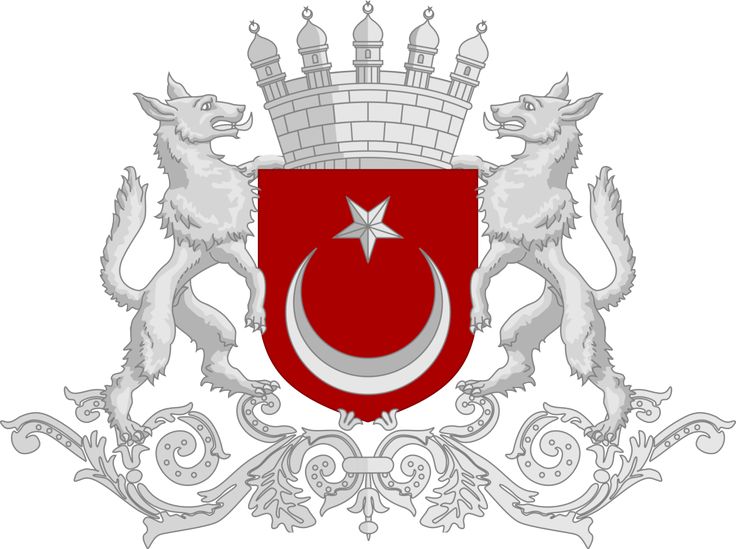
HOUSE OF OSMAN
Osmanoğlu family is a family belonging to the historical House of Osman, which was the ruling house of the Ottoman Empire from c. 1299 until the abolition of the Ottoman sultanate in 1922, and the Ottoman Caliphate from 1517 until the abolition of the caliphate in 1924. In 1924, members of the Osmanoğlu family were forced into exile. Their descendants now live in many countries throughout Europe, as well as in the United States, the Middle East, and, since they have been permitted to return to their homeland, many now also live in Turkey.
The imperial family was deposed from power, and the sultanate was abolished on 1 November 1922, immediately after the Turkish War of Independence. The Republic of Turkey was declared the following year. The living members of the dynasty were initially sent into exile as persona non grata, though some have been allowed to return and live as private citizens in Turkey. The female members of the dynasty were allowed to return after 1951, and the male members after 1973. The family adopted the surname Osmanoğlu, meaning "son of Osman".
Here's a background section you can drop in after the letter, written to fit the timeline you've already established (the 2000 coalition war/coup against Bahçeli, and the 2006 coup against the Workers' Party regime):
For decades, the family's position was little more than a historical relic with the minor nobility scattered across Europe, the Middle East, and the United States. Osmanoğlu weddings and funerals drew polite newspaper coverage and little else. Most members lived as bankers, academics, hoteliers, and advisors. That began to change with Türkiye's unraveling.
When the coalition war shattered Bahçeli's Pan-Turkic regime and Russian forces occupied Istanbul and Ankara, the Republic's legitimacy. In the humiliation and chaos that followed, the surrender aboard the U.S.S. Missouri, the refugee floods, the sight of the capital in ruins, a strange nostalgia took root among ordinary Turks.
The nostalgia was inchoate, mostly cultural rather than political, especially as documentaries on the Ottoman "golden age," began to boom in Turkish cinema. Politically marginal Ottoman revivalist circles, a handful of monarchist societies, minor journals, and émigré associations in Cairo and Vienna saw their membership and their donations swell for the first time in living memory. Adem Şahin's interim government, eager for any unifying symbol amid the wreckage, even encouraged it until he lost power in 2003. A few Osmanoğlu descendants were even invited to ceremonial reconstruction events, their presence photographed for a public hungry for continuity.
The September coup against President Arslan and Prime Minister Yıldırım detonated Ottoman revivalism into something far more serious. Three main trends have emerged. First, ordinary disillusionment over the Republican project with the nationalist-authoritarian and communist-authoritarian both leaving many Turks in anguish over their state of affairs. A growing number of Turks are convinced that the Kemalist settlement itself, not merely its leaders, had failed them.
Second, there is increased outreach by ordinary Turks and the foreign leaders with the Osmanoğlu descendants and sympathetic monarchist patrons in the Gulf, Egypt, and Europe, who had spent decades treating the family as a curiosity, began funding cultural foundations, heritage restorations, and — more quietly — political outreach. Third, and most consequentially, regional interest: as your Cairo correspondence shows, foreign powers with their own designs on the post-Ottoman space began taking a direct interest in individual claimants, weighing which of them might serve as a unifying figurehead for ambitions well beyond Turkey's own borders.
By early 2007, in the uneasy months of the military-negotiated transition and Çiller's fragile new government, Ottoman revivalism had become impossible to dismiss as mere sentiment. Monarchist societies say that opinion polling showed a small but real minority of Turks expressing openness to some constitutional role for the dynasty, a figure unthinkable a decade earlier. Members of the family who had spent their lives as private citizens found themselves, sometimes unwillingly, courted by monarchist organizers, foreign intermediaries, and journalists alike.
Reigning Family of House Osman |
Shezade Osman Osmanoglu 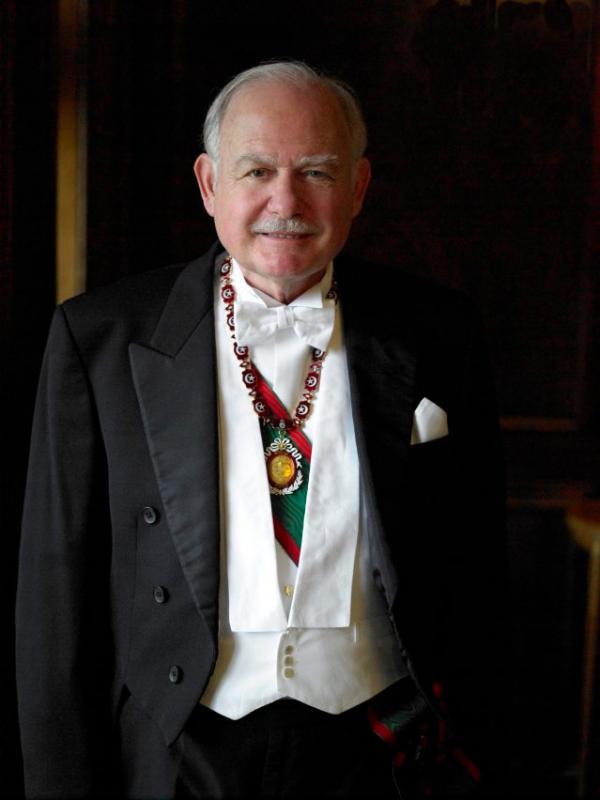
|
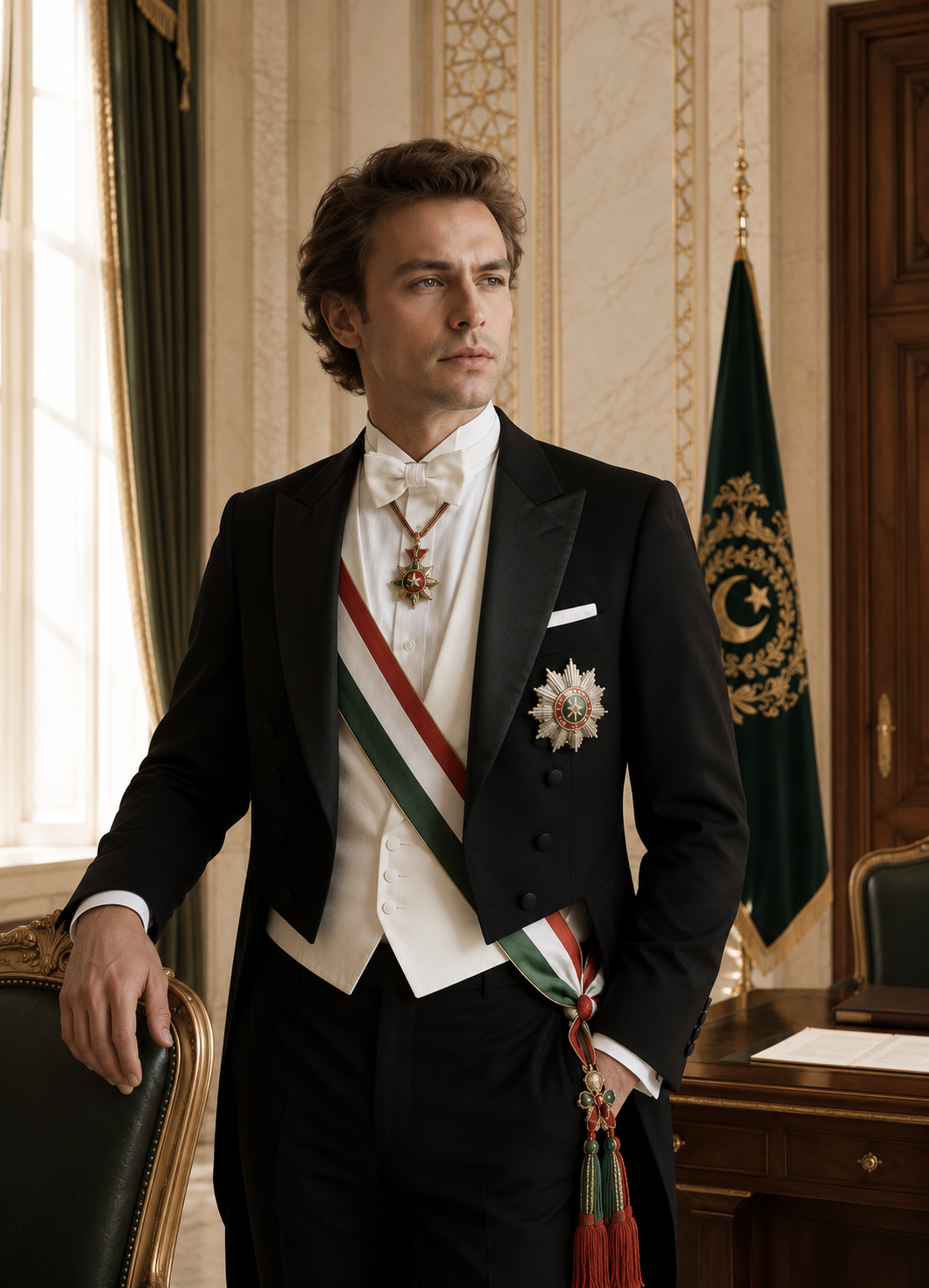
Prince Sleiman Osmanoglu | 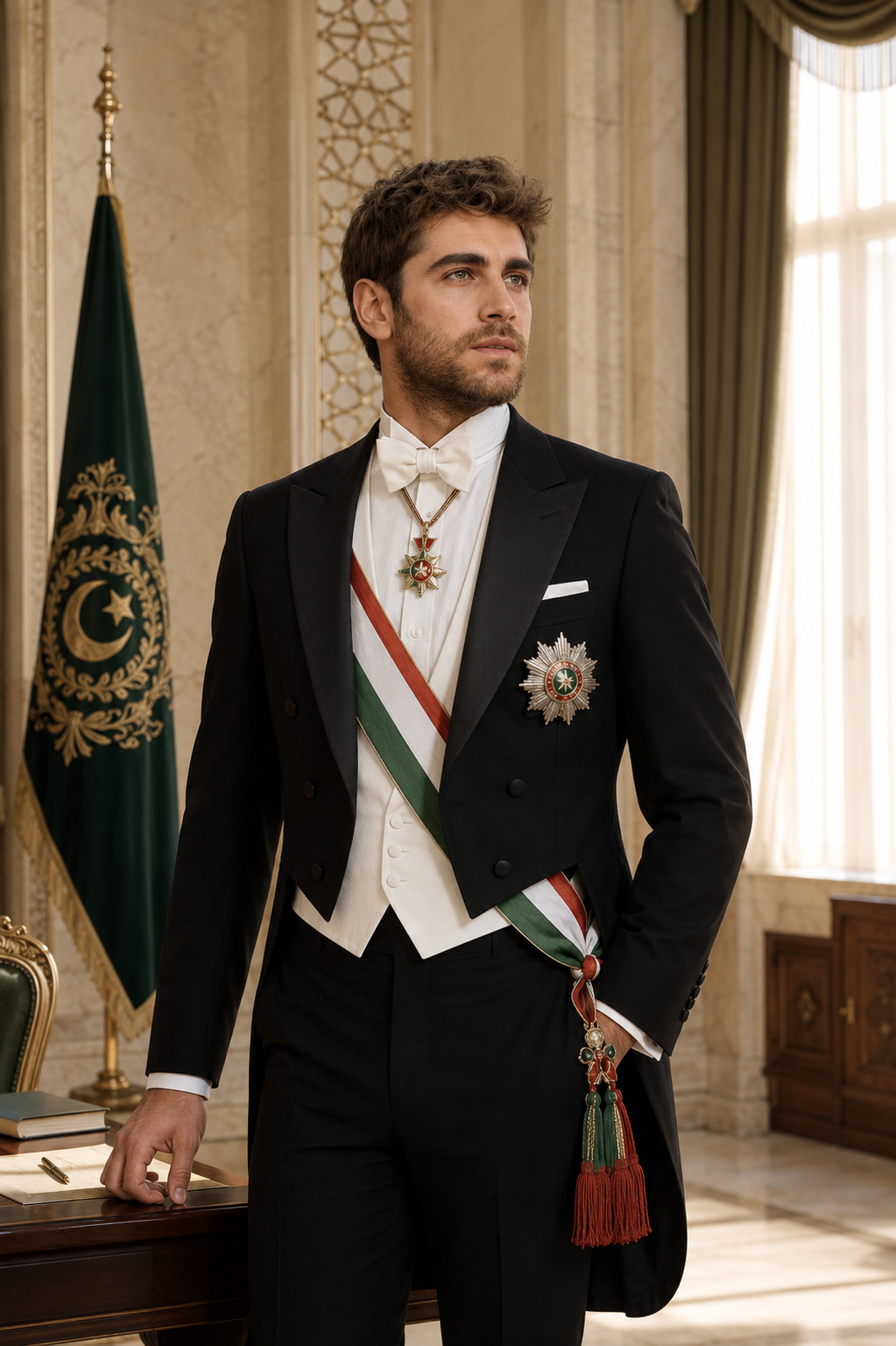
Prince Murad Osmanoğlu | 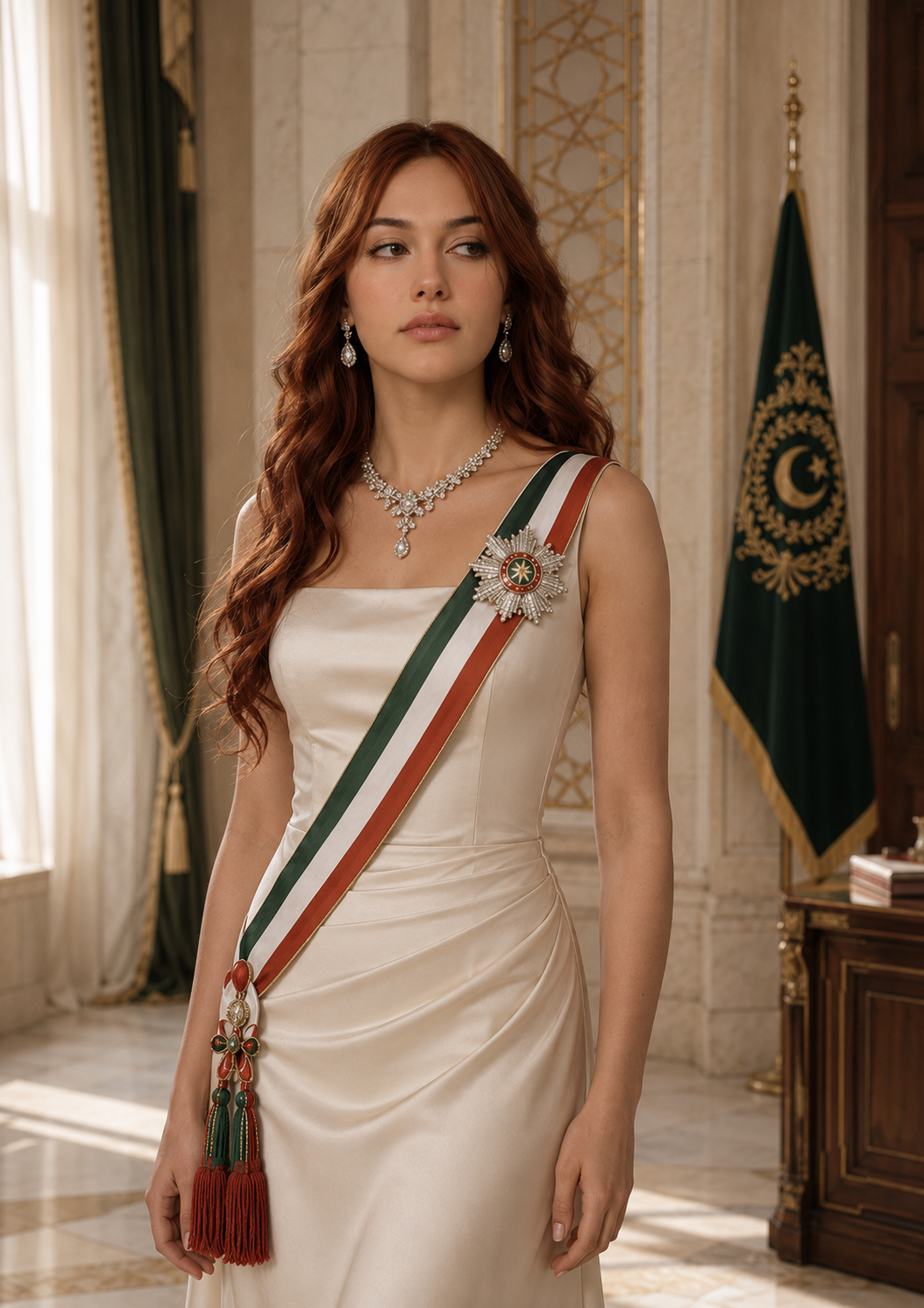
Princess Ayşe Gülnev Osmanoğlu |
List of Royal Factions PRIVATE | ||||||
|
HOUSE OF OSMAN CONTACT INDEX
Mirror Index Trust Level: VERIFIED
Mirror Index Trust Level: VERIFIED
His Highness Prince Sleiman PRIVATE OFFICE | His Highness Prince Murad PRIVATE OFFICE | Her Highness Princess Ayşe PRIVATE OFFICE |
| Primary Address: Beirut — Cairo — Damascus Status: ACTIVE / OPEN CORRESPONDENCE Drop Address:office.sleiman@osmanli-hamra.correspond Personal Address:SleimanOsman@gmail.com Reference Code Required:OS-BEY-01 Notes: Correspondence is read personally before staff. Formal letters are preferred to unsolicited calls. | Primary Address: London Status: ACTIVE / OPEN CORRESPONDENCE Drop Address:secretariat@osmanli.com Personal Address: MuradOsmanoğlu@outlook.com Reference Code Required:OS-MUR-01 Notes: Office operates on a formal appointment basis. Introductions through known intermediaries are prioritized. | Primary Address: London Status: ACTIVE / OPEN CORRESPONDENCE Drop Address: AyşeOsmanoğlu@osmanli-kensington.mail Personal Address: AyşeOsmanoğlu@gmail.com Reference Code Required:OS-AGE-01 Notes: Office operates on a formal appointment basis. Introductions through known intermediaries are prioritized. |
Last edited:


