- Oct 3, 2018
- 3,898
Istanbul, Türkiye
Istanbul hosts the Summer Olympics this week. The world should be paying close attention, not just to the games, but to what they mean.
When the Olympic flame arrives in Istanbul this weekend, it will illuminate something far more consequential than a sporting calendar. It will cast light on one of the most audacious bets the international community has made in a generation, a bet not merely on a city, but on an idea that a country can remake itself, and that the world should meet it halfway.
Less than a decade ago, Türkiye was a nation at war with itself and with its neighbors. The Millennium War, as historians have taken to calling it, saw a coalition of Western powers forced to dismantle a far-right nationalist government that had turned its military inward. The images from that period, of cities under curfew, of a mass incarcation of its own citizens, and of civil institutions gutted, are not so distant that they have faded from memory.
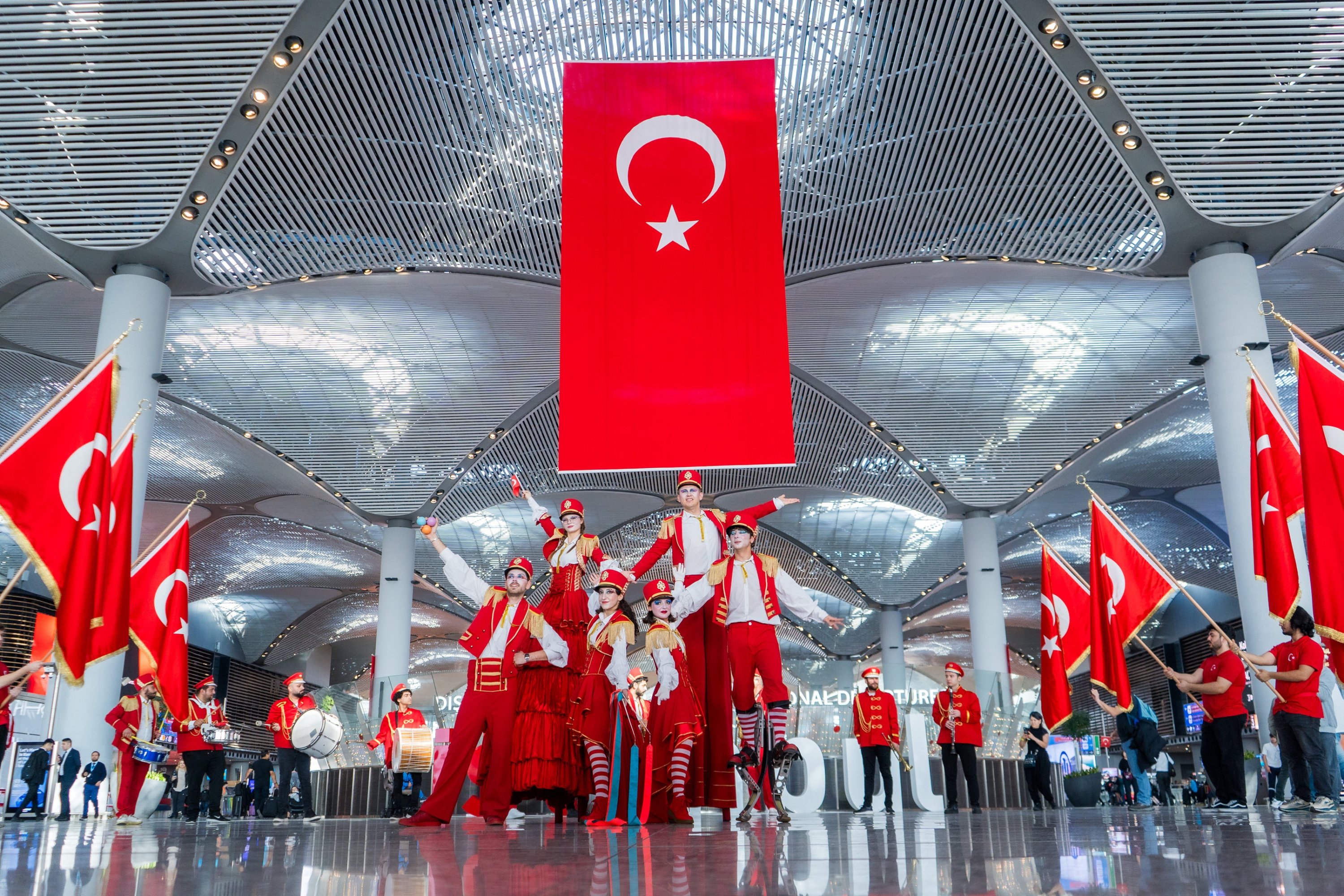
And yet here we are. Istanbul, 2008. The rings are up. The athletes have arrived from dozens of nations. And Prime Minister Ayße Çiller, whose government only a year ago was shepherding her country out of the wreckage of communist rule, is preparing to welcome the world.
To call this a gamble would be an understatement. It is, more precisely, an act of collective faith, extended by the Olympic Committee, ratified by the international community, and now put to the test in real time.
We do not use the word "faith" lightly, nor do we deploy it naively. Türkiye's democratic institutions, while reconstituting at a remarkable speed, remain fragile. The economy, though growing at a pace that has startled even its most ardent supporters in Brussels and Washington, is still absorbing the shocks of a brutal three-year dictatorship. The scars are not merely economic. They are social, political, and deeply personal for millions of Turkish citizens who lived through them.
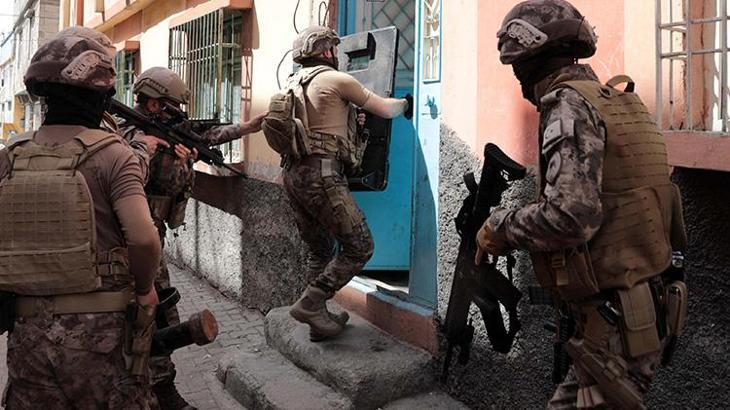
Reports from Istanbul ahead of the opening ceremony this weekend paint a picture of a host city that is spending lavishly and securing heavily. More than a thousand soldiers have already been deployed across the city, with three thousand additional troops expected to arrive before the torch is lit. The security apparatus is, by any measure, formidable. Officials from the International Olympic Committee have privately described the logistical preparations as among the most thorough they have encountered.
Critics, and there are serious ones, will argue that Istanbul's Olympic bid was premature. That the Committee was swayed by geopolitical symbolism over institutional readiness. That awarding the games to a country still calibrating its democratic compass sent a confused message to the region and to the world.
These are not frivolous concerns. But they mistake the purpose of the moment. The Olympics have always been, at their best, an exercise in aspiration rather than certification. They reward not only what a nation is, but what it is trying to become. Athens was a city perpetually behind schedule. No host arrives without asterisks.
What distinguishes Türkiye is the velocity and sincerity of its transformation. Prime Minister Çiller has staked her political legacy on a vision of her country as a bridge between East and West, between Islam and secular governance, between a wounded past and an open future. Istanbul, straddling two continents, is almost too perfect a metaphor. She knows it. Her government has made certain the world will, too.
The symbolism is deliberate. The question is whether the substance will follow. The answer, of course, will not be delivered in the span of two weeks. Democracies are not built during opening ceremonies. But what can be built, what must be built, is a foundation of trust. Türkiye is asking the world to see it anew. The world, by sending its athletes and its cameras and its leaders to Istanbul, has agreed to look.
That compact carries obligations on both sides. It obliges Türkiye to protect the journalists, the activists, the minority communities, and the ordinary citizens who will watch these games from within its borders, and to sustain, long after the stadiums empty, the democratic norms that made this invitation possible. It obliges the international community, in turn, to remain genuinely engaged: to offer encouragement that is more than ceremonial, and criticism, when necessary, that is more than punitive.
For two weeks, the eyes of the world will rest on a city of seventeen million souls perched at the hinge of history. They will see stadiums and swimmers and sprinters and the full, glorious theater of the games. We hope they will also see something quieter and harder to broadcast that the people who have endured much, who are asking for a chance, and who, whatever the cynics say, have earned the right to be taken seriously.
Türkiye is not a finished story. Neither, for that matter, is any democracy. But it is a story worth watching. And for the next seventeen days, Istanbul will be where that story is told.