STATISTICS

Start Year: 1995
Current Year: 2009

Month: January

2 Weeks is 1 Month
Next Month: 28/06/2026

OUR STAFF

Administration Team

Administrators are in-charge of the forums overall, ensuring it remains updated, fresh and constantly growing.

Administrator: Jamie
Administrator: Hollie

Community Support

Moderators support the Administration Team, assisting with a variety of tasks whilst remaining a liason, a link between Roleplayers and the Staff Team.

Moderator: Connor
Moderator: Odinson
Moderator: ManBear


Have a Question?
Open a Support Ticket

AFFILIATIONS

RPG-D

United States | 2008 Presidential Election

Odinson

Moderator
GA Member
World Power
Jul 12, 2018
10,776
960px-Seal-of-the-President-of-the-United-States-svg.png
7JzI6cv.png
500px-Seal-of-the-Vice-President-of-the-United-States-svg.png


2008 Presidential Election
Edwards|Kennedy vs. LaFleur|Collins


Both major American political parties had breathed a metaphorical sigh of relief when President Sinclair announced that he would not be seeking a second term as President of the United States, and that Vice President Blumenthal would not seek the office of the presidency. This meant that there were no serious independent contenders for the White House and that either a Republican or a Democrat was guaranteed to win the office. The Democratic Party nominated South Carolina Senator John Edwards and Massachusetts for President, and Senator John F. Kennedy Jr. for Vice President. The Republican Party nominated Louisiana Governor Avery LaFleur for President and Maine Senator Susan Collins for Vice President. All of the candidates travelled across the country from Puerto Rico to Guam, from Alaska to Florida. The Edwards and LaFleur campaigns had worked tirelessly to earn the trust of the American People, but now it was out of their hands and in the hands of the American People to choose who would be President of the United States for the next four years (as well as who would be Vice President). While President Sinclair had served as Al Gore's Vice President, he was fiercely independent and never affiliated with either party. Neither party had an advantage when it came to an incumbent. now it was up to the American People to vote.


DEMOCRATIC TICKET
"Our Best Days are Ahead"
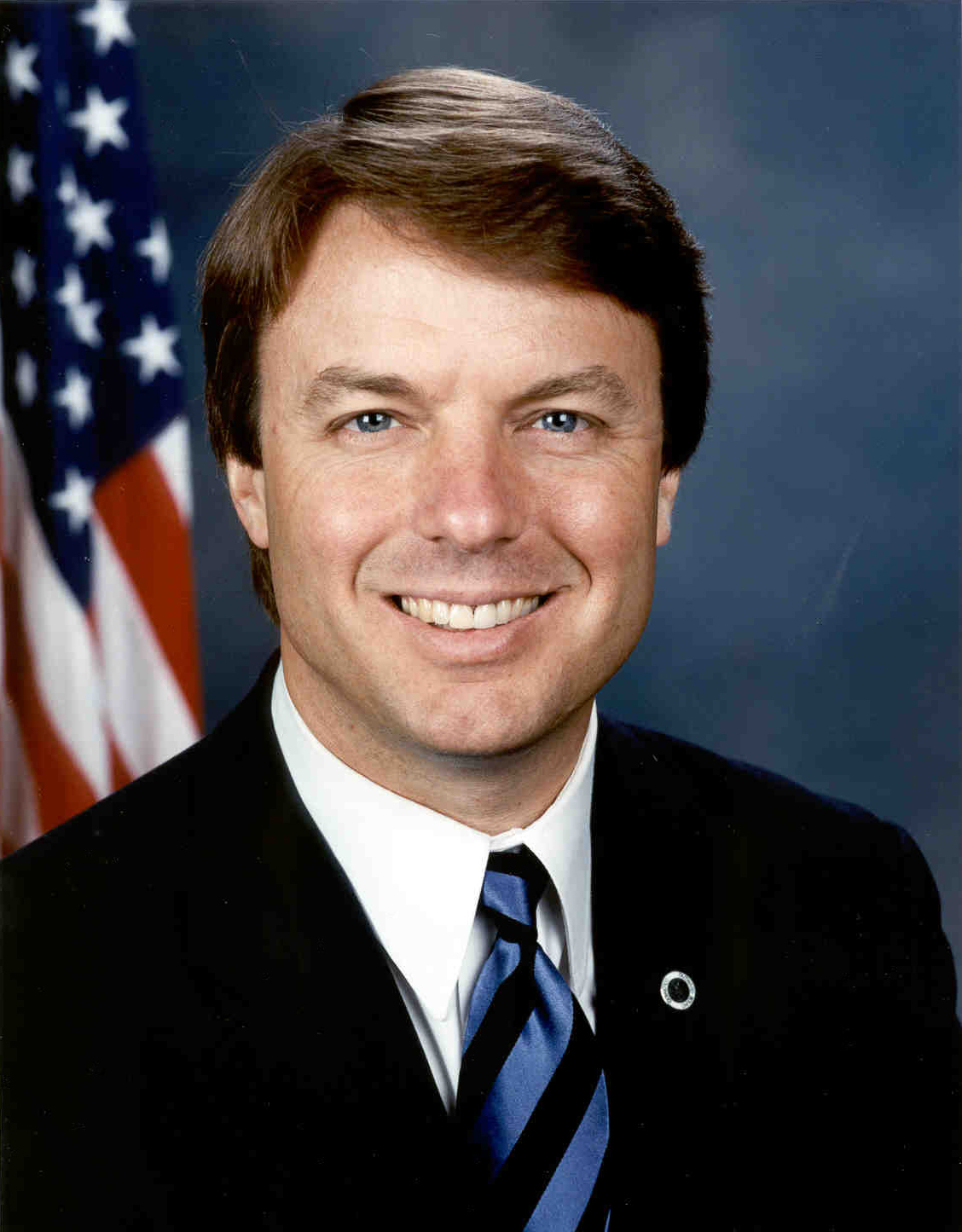
John-Edwards-official-Senate-photo-portrait.jpg
john-f-kennedy-jr-john-fitzgerald-kennedy-junior-jackie-robinson-foundation-endowment-scholarship-waldorf-astoria-new-york.jpg

Presidential Nominee | Johnny Reid Edwards (D-NC)

Vice Presidential Nominee | John Fitzgerald Kennedy Jr.
(D-MA)


MAJOR POLICY POSITIONS

FOREIGN AFFAIRS - Global Diplomacy, For The World.

Strongly supports special relationship with the United Kingdom,
Strongly supports a military relationship with Canada and Sweden,
Strongly supports non-proliferation of strategic weapons,
***
Supports Global Assembly & GA reform,
Supports a military relationship with Australia,
Supports international free trade agreements,
Supports nominal expansion of the Navy and Air Force,
Supports the Gore Doctrine,
Supports TASA Membership,
***
Somewhat supports nominal reform of the Army and Marine Corps,
Somewhat supports expansion of the Coast Guard,
Somewhat supports a military relationship with Turkey and Korea,
Somewhat supports normalization of relations with Thailand,
***
Opposes normalization of relations with India.


DOMESTIC AFFAIRS - Liberal, Status-Quo.
Strongly supports maintaining high taxes,
Strongly supports regulating fast food industry & increasing FDA regulations,
Strongly supports healthcare reform,
Strongly supports environmental protections,
***
Supports subsidizing higher education,
Supports more legal immigration,
Supports path to citizenship for some illegal immigrants,
Supports government subsidization of new housing projects,
Supports more "Restore America" projects,
Supports unions,
***
Somewhat supports more secure border.
***
***
REPUBLICAN TICKET
"Onward to Greatness"
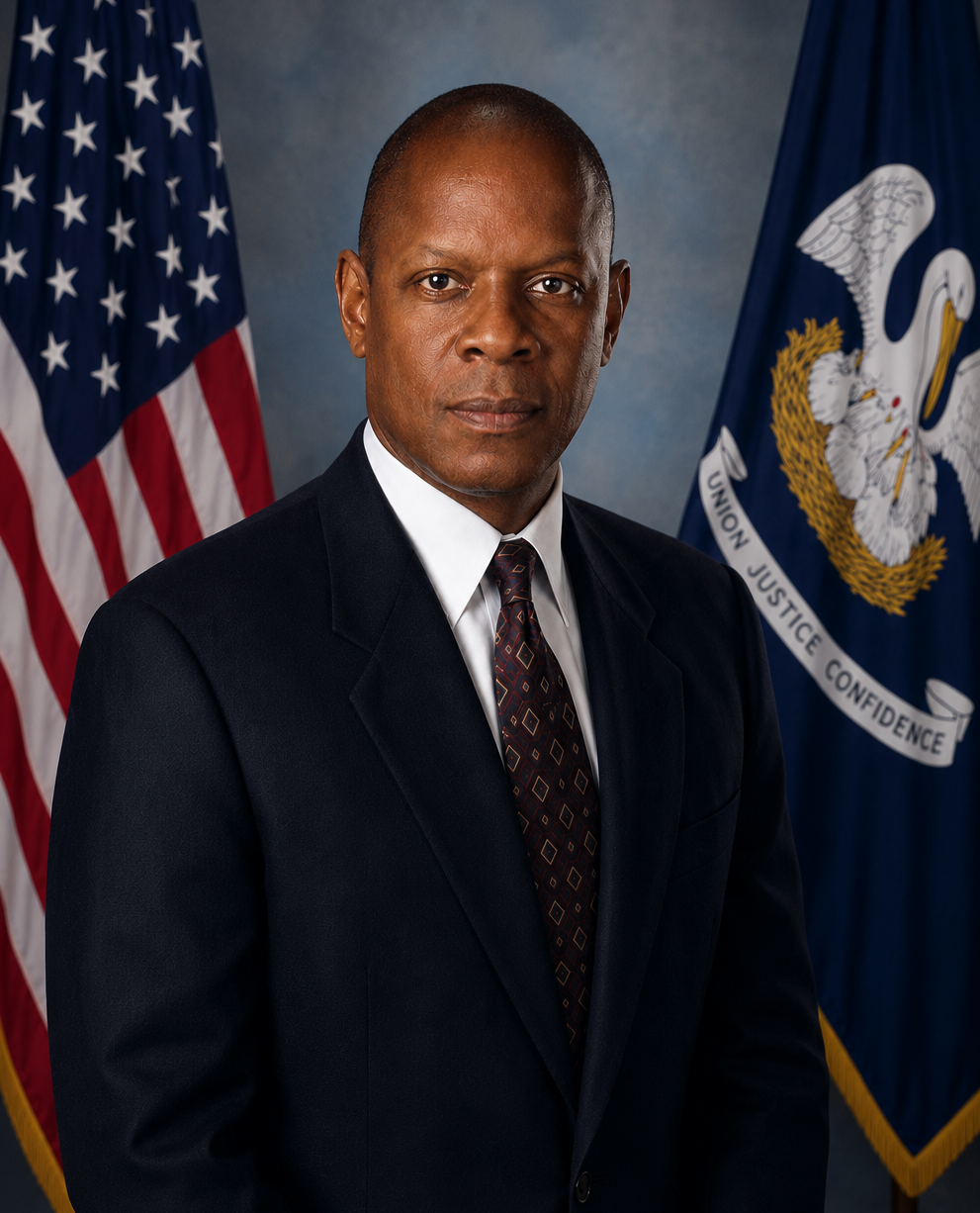
La-Fleur4.png
8e1f1239f68025004b1fce723177ad98.jpg

Presidential Nominee | Avery Louis LaFleur (R-LA)

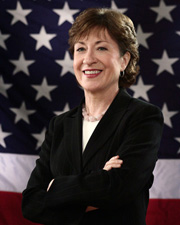
Vice Presidential Nominee | Susan Margaret Collins
(R-ME)


MAJOR POLICY POSITIONS

FOREIGN AFFAIRS - Restore Western Greatness.

Strongly supports special relationship with the United Kingdom,
Strongly supports a military relationship with Canada and Australia,
Strongly supports non-proliferation of strategic weapons,
Strongly supports the Gore Doctrine,
***
Supports a military relationship with Sweden, Poland, Turkey, and Korea,
Supports significant expansion of the Navy,
Supports updating the Air Force,
Supports updating the Army,
Supports specializing the Coast Guard and Marine Corps,
***
Somewhat supports TASA Membership,
Somewhat supports the creation of a space-based military branch,
Somewhat supports normalization of relations with India,
***
Opposes normalization of relations with Thailand,
Opposes international free trade agreements without protections.


DOMESTIC AFFAIRS - Conservative, Populist.
Strongly supports tax cuts,
Strongly supports hardline stance on illegal immigration & border protection,
Strongly supports immigration reform,
Strongly supports certain trade unions,
Strongly supports fishing and farming industries,
***
Supports making housing more affordable,
Supports physical fitness in public schools,
Supports inner-city renewal,
***
Somewhat supports healthcare reform,
Somewhat supports environmental protections,
***
Opposes foreign and corporate ownership of single-family homes,
Opposes more legal immigration.


Johnny Reid Edwards
Experience & Education


U.S. Senator
1997-Present

Various Law Firms
1978-1997

Clerk for Federal Judge
1976-1978

University of North Carolina Chapel Hill
[Graduated with J.D. with honors]
1974-1976

North Carolina State University
[Graduated with B.A. in Textile Technology]
1970-1974


John F. Kennedy Jr.
Experience & Education


U.S. Senator
2007-Present

U.S. Ambassador to The Kingdom of The Netherlands
2001-2007

Founder and Chief Editor of George Magazine
1995-2002

Assistant District Attorney in the Manhattan DA's Office
1989-1993

President of Reaching Up Nonprofit
1989

New York University School of Law
1988-1990

Named Sexiest Man Alive by People Magazine
1988

Summer Intern at Manatt, Phelps, Phillips & Rothenberg Law Firm
1988

NYC Office of Business Development
[Graduated with J.D. with honors]
1984-1987

Brown University
[Graduated with B.A. in American Studies]
1979-1983

Avery Louis LaFleur
Experience & Education


Governor of Louisiana
2004-Present

Louisiana Attorney General
2001-2004

Louisiana State Senator
1994-2001

Orleans Parish Public Defender
1991-1994

Tulane University School of Law
[Graduated with a J.D. with honors]
1989-1991

Tulane University
[Graduated with B.A. in Political Science, Minor in African Studies]
1985-1989

Detective at New Orleans Police Department
1981-1985

Police Officer at New Orleans Police Department
1978-1981

Louisiana Army National Guard
1978-1983


Susan Margaret Collins
Experience & Education


U.S. Senator
1996-Present

Executive Director of Richard E. Dyke Center for Family Business
1994-1996

Deputy State Treasurer of Massachusetts
1993-1994

New England Regional Director for Small Business Administration
1992

Cabinet Member of Governor John R. McKernan Jr.
1987-1992

Legislative Assistant
1975-1987

St. Lawrence University
[Graduated with B.A. in Government]
1971-1975


Last edited:

Odinson

Moderator
GA Member
World Power
Jul 12, 2018
10,776
Private

WASHINGTON D.C.
The White House
November 3, 2008
2:43 A.M. EST​

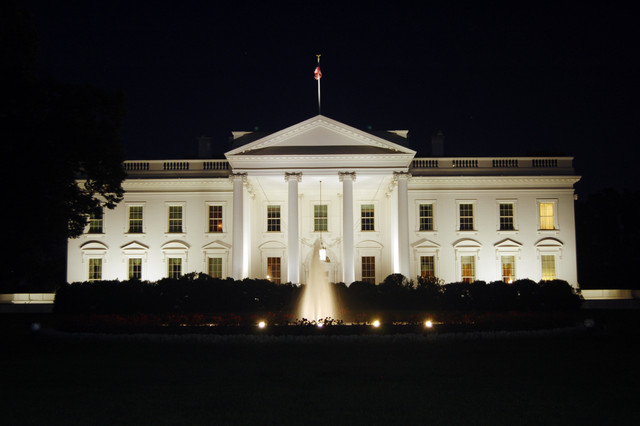
The-White-House-at-night-2011.jpg


The election was taking much longer to call than Sinclair or anyone else in the White House thought. The President had seen plenty of strange and close elections, but this one had taken the cake. The Republican candidate, Avery LaFleur, won the State of Vermont which a Republican had not won in a national election since the George H. W. Bush presidency. At the same time, however, Edwards won his home state of South Carolina and the Democrats also held onto Pennsylvania. There were states where both sides did amazing and states where both sides lost miserably - the election was unique in many ways, if not bizarre. One thing was for sure: this election would not be a blowout for anyone.

In order to watch all of this unfold, President Sinclair went to a seldom talked about room in the White House called the Game Room, or Billiards Room, that was located on the third floor. He invited his old friend Al Gore and his Chief of Staff, Harvey Baker, to play pool, drink expensive scotch, and smoke cigars while the news played in the background. All three men left their jackets on a coatrack and had their sleeves rolled up. Sinclair, who always was in a three-piece suit, still had on a black vest with a gold pocket-watch chain dangling down from it each time he took a shot at a ball. Sinclair had experience at the game, Baker had youthful strength, and Gore was somewhere between both men.

"Are you going to miss the office?" Baker asked Sinclair as he leaned back against the wall, puffing on his cigar.

"Absolutely not," Sinclair said, and then pocketed a ball with precision.

"Not even a little? You know, all of the pomp and circumstance that comes with the job?" Baker replied.

"I like formality, but pomp and circumstance is a good way to develop an ego - just ask Al," Sinclair said, unable to contain his smirk.

"I have an ego, huh?" Gore cracked back.

"Nope, you're the must humble man in Washington," Sinclair said as he stood up, pool cue in hand. All three of the men laughed.

"What about you, sir," Baker said as he looked at Gore, "do you miss the job?"

"I don't miss the stress, that's for sure. There's nothing else like it. No one can prepare you for the stress... The best part to me, though, was when we would help people and I could see those results first-hand," Gore said.

"My favorite part about having this job is that it gave the Democrats and the G-O-P a stroke when I won. 'An independent as President? Some guy from Maine? That'll never happen!' I've heard that my entire time in the Senate. That was satisfying," Sinclair noted.

It was Gore's turn to shoot. He had three balls left. "You're not some guy from Maine, you're an American hero."

"If he's such a hero, why is he losing this round?" Baker asked. Gore and Baker both laughed.

"I won the first two, I thought I'd give you guys a chance," Sinclair retorted. He poured himself another shot of scotch and watched as Gore pocketed one ball and missed the next.

"Letterman really did a good one when he read off your resume on The Late Show. He went on and on with those adjectives," Gore said, thinking back. "He said: 'Benjamin Sinclair: he's a veteran, teacher, senator, vice president - he was struck by lightning, twice, he was awarded the Medal of Honor and the Medal of Freedom, he saved the U.S. Capitol during the riots, and most importantly... a lighthouse keeper,'" Gore said, starting to laugh, "and then, for the next ten minutes, he went through interviews of people from Castine about you and your lighthouse. I think that episode won you more votes than any speech."

"I can't wait to retire from this, eat lobster in my lighthouse, write, and read books. That's about all I have left to do," Sinclair said.

Both Sinclair and Gore turned to baker when they heard the sound of his pool cue smacking on the ground.

"Had enough to drink?" Gore teased.

Baker didn't say anything. He looked back at the two presidents, seriously, and then gestured towards the TV. "Can you turn that up, sir?"

Sinclair turned up the volume - it was on PBS. Ohio and Nevada had already been called for LaFleur earlier. There was almost no doubt at all that the West Coast and Hawaii were going to go for Edwards, which meant that the only states that were still in play were Florida and Alaska.

An older female news anchor cleared her throat. "Our decision desk has two more calls to make... PBS can now confidently project that Louisiana Governor Avery LaFleur has won the State of Alaska and also the State of Florida."

"Oh my God... You've got to be kidding me," Sinclair said. He closed his eyes, turned his head down, and let out a deep sigh.

The television screen updated and showed that both candidates had 269 electoral votes - 270 votes were what was necessary to win the election.

"A tie... The tied," Gore said in disbelief. He set his drink down.

Baker stayed quiet for a few seconds. He didn't want to look stupid, but he honestly didn't know. Maybe it was the scotch, so he finally asked it.

"So... Does this mean you stay President, sir?" Baker asked.

Sinclair remained still, his head facing down with his eyes closed, almost like he was in prayer. His fist was clinched tightly around his pool cue - Gore could see the grip tightening.

"No, Baker, at least there's that. I'm out of a job no matter what by lunch on January 20th..." Sinclair said softly, almost mumbling. At least that was some good news, there's no way they could keep him in.

"What this means is that Congress gets to choose the President and Vice President," Gore said.

"Together?" Baker asked.

"No," Sinclair said. He took a seat next to the billiards table and sighed. "The House of Representatives chooses the President and the Senate chooses the Vice President."

"Well... Democrats have the House, so I guess-" Baker was cut off by Gore.

"It's more complicated than that. Each congressman in the House doesn't get one vote, each state delegation gets one vote. That'll definitely work in the Republicans favor."

"Which congress gets to vote?" Sinclair asked.

Gore and Baker both looked at Sinclair like his question didn't make any sense, so he clarified. "The elections for President and Vice President were not the only ones tonight - plenty of House and Senate seats were up for grabs. Before inauguration, the new congress is sworn in. Does this congress get to vote to break the tie, or will it be that new congress?"

All three men were confused now.

Sinclair stood back up and rolled his sleaves down. "Call Langley and Blumenthal - I want them both here for 6:00 A.M." Sinclair said, referring to the Attorney General and Vice President respectively. "Tell the networks that we need air time at noon tomorrow."

"What are you going to speak about?" Baker asked.

"Well, if you, me, and President Gore don't know exactly how this is going to work, how confused do you think the rest of the country is going to be? I want a briefing in the Situation Room at 6:00. Bring a copy of the constitution," Sinclair said. The President buttoned his sleeves and put his jacket back on. He slept for a few precious hours in the Residence before he met with the Vice President and Attorney General at 6:00.​
 

Odinson

Moderator
GA Member
World Power
Jul 12, 2018
10,776
Private

WASHINGTON D.C.
The White House
November 3, 2008
6:00 A.M. EST​

JFKConference-Room-1024x683.jpg


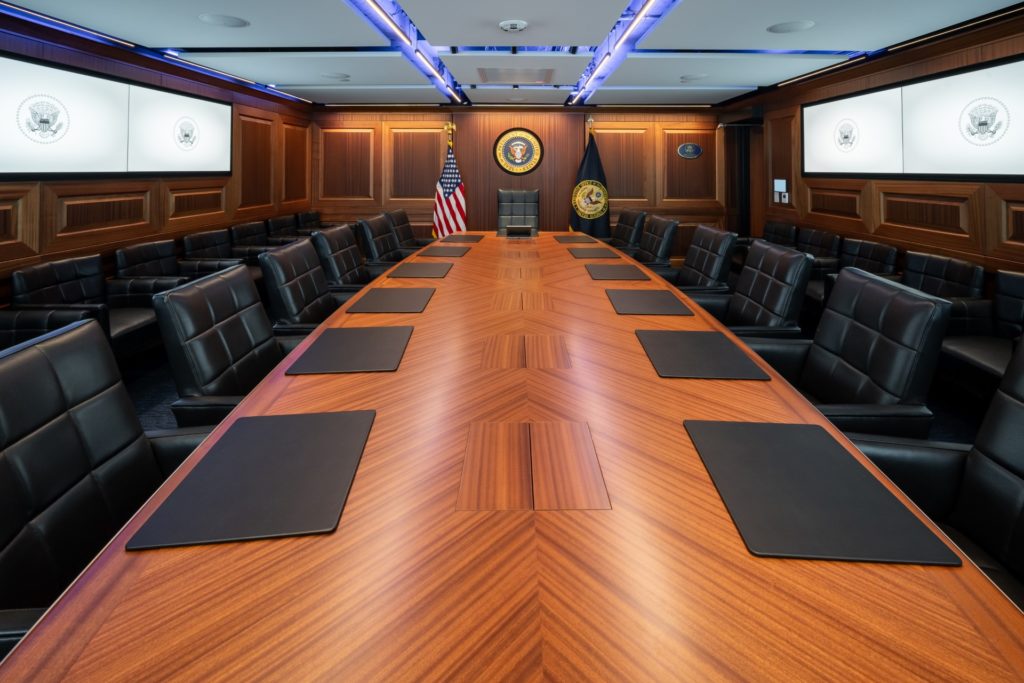
The Situation Room had updated dark wood paneling, television monitors that could be used to display graphs, charts, and other important information as well as capable of being used for video conferencing, and dimmable lighting. The black leather seats in the room were notably more comfortable than the ones that Al Gore had during his presidency. Gore had been invited by President Sinclair to come to the White House and stay up with him and Baker while they waited for the election results to come in. Sinclair invited Gore to come to join them in the Situation Room that morning - he thought that the former President could provide some valuable insight, or at the very least it would be a good excuse to keep his old friend around a while longer.

Gore and Baker were already seated inside of the Situation Room along with Vice President Richard Blumenthal and Attorney General Sean Langley. In front of all four men on the table, as well as the spot at the head of the table that would soon be occupied by Sinclair, were: an ink pen, a note pad, and a pocket-sized copy of the United States Constitution. The doors to the Situation Room opened and the four men in the room stood up as Sinclair walked into the room. He was wearing a different suit from last night and a dark orange tie. The President's fiancée, Olympia Snowe, recommended it so that it didn't look like he was favoring the Republicans or the Democrats when he would give a public address at noon.

"Thank you all for coming at this hour, on such short notice," Sinclair said. "Langley, how is all of this going to work?"

Attorney General Sean Langley cleared his throat. He was wearing a blue, pinstriped suit. Even though he was in his late 50s, he still had a thick, full head of hair, although it was salt and pepper. He adjusted his glasses and cleared his throat a second time.

"Well, Mister President, we haven't done this in about 200 years, but it shouldn't be an impossible feat. There will be some complications that we can hopefully overcome in the modern age, though. I can... well, Mister President, should I just give the finer points?" Langley asked.

"Normally I don't enjoy hearing lawyers ramble, but I know that you know what you're talking about. Give us the entire layout of what is happening - in fact, explaining it to us like we're a bunch of fifth-graders or golden retrievers," Sinclair replied.

Vice President Blumenthal asked if anyone wanted coffee. He poured a cup for himself and President Gore, and then sat back down to listen to Langley.

"A unique feature about our system of government is that the popular vote does not elect the President and Vice President. Instead, a group of 'electors' make up an entity called 'The Electoral College.' Each state has a certain number of electoral college votes which is roughly based off of its population, however larger states like California and Texas are underrepresented, and smaller states like Wyoming and Alaska are overrepresented. When someone casts a ballot in a national election, they are technically not voting for the candidates that they want, but instead they are actually voting for an elector who says that they will vote for their candidate. To make this matter less complicated, every state in the country - except for Nebraska and Maine - have laws on the books which state that if a majority of the votes in that state go for one candidate, then all of the electors who have pledged support for that candidate will be chosen to represent that state in the electoral college," Langley said.

"Sorry, Mister Attorney General... Can you give a more concrete example?" Baker asked.

"Sure," Langley continued. "In this election cycle, it looks like eight-million people voted in Texas. Over half of those people voted for the Republican, Governor LaFleur. This means that all 34 of the Electoral College votes in Texas are given to electors who pledged that they will vote for Governor LaFleur. That is how it works for every state, except for Maine and Nebraska. In Maine and Nebraska, they will roughly divide their Electoral College votes by how many votes go for each candidate, but they are outliers. Another thing to consider is that when a citizen is voting for President, they are actually casting a ballot for President and Vice President at the same time. Those candidates run together on one ticket.

"Anyway, there are numerous fun-facts and interesting things to consider about the Electoral College, but I'll just cover the most important ones that are relevant to this situation. First, the Electoral College is not like a legislative body that meets together in one place in the country. Instead, after the Electoral College members for each stated are 'elected,' they will gather in their respective state capitals and vote by secret ballot for President and Vice President. Then their job is done. The physical ballots casted by the electors from all 50 states, plus D.C., are taken to the Capitol Building in Washington D.C. On January 6, the ballots are counted before a joint session of Congress with the Vice President presiding over it. Once the votes are counted, objections can be made by congressmen and senators as to the veracity of the votes. For example, during the Civil War the House and Senate objected to, and rejected, Electoral College votes from Louisiana and Tennessee because those states were in open rebellion. Those kinds of objections, and rejections, of Electoral College votes have not occurred in the 20th and 21st centuries, though.

"Finally, once these votes are counted in the joint session for President and Vice President, those two individuals are now formally the President-elect and Vice President-elect until they are sworn in two weeks later on January 20th, at noon," Langley concluded.

"Well... The current electoral vote is 269 for Edwards and 269 for LaFleur. The Electoral College members haven't met in their respective state capitals yet... What if one of them gets the idea that they can choose the next President and Vice President, and they don't vote how they promised they would?" Gore asked. Everyone in the room looked back to Langley.

"That is called a 'Faithless Elector.' Faithless Electors are rare, but not unheard of. Throughout the history of the United States, there have been over 25,000 individual Electoral College votes. Of all of those votes, only 165 electors have been faithless by voting for someone other than their party's nominee. Of that group, 71 did so because the nominee that they were going to vote for had died. The reason this is so rare is because the parties choose the electors and they are pretty good at making sure that the electors are die-hard Republicans or Democrats. However, I agree that in this case Faithless Electors could be an issue. Technically, there is no legal mechanism to punish a faithless elector. However, some states have laws on the books that punish faithless electors after the fact with either fines, jail time, or both," Langley replied.

"What about... bribing or threatening the electors? I mean, if I had just a limited amount of resources, I could threaten an elector or his family if he didn't vote how I wanted him to, or on the other hand I could bribe him to vote how I wanted him to, right?" Vice President Blumenthal asked.

"Threatening an elector or his family would obviously be a serious federal crime and, if it was revealed after the votes had been cast and approved, could cause a constitutional crisis. Bribing an elector would also be a serious federal crime. However, keep in mind that these electors are devout party members - they aren't random guys taken off the street and told to vote for LaFleur or Edwards. They are trusted party members who are given the job of elector as a kind of honor. It's an easy, short-term job and you probably get some kind of ornate certificate that you can hang on your office wall," Langley noted.

"Honestly, depending on how he voted, a faithless elector could solve our problems here," Sinclair said.

"How so, Mister President?" LaFleur asked, feeling perplexed.

"Well, we all know that LaFleur won the popular vote. So if one elector was faithless and voted for LaFleur instead of Edwards, then that means on January 6, LaFleur will be elected President. That means that Congress won't have to choose the President and Vice President, and everything moves along as it should," the President said, contemplating it.

"Mister President," Langley warned, "if you or anyone else in the country did anything to try to achieve that outcome, it would not only be illegal, but I must emphasize that it would cause a serious constitution crisis, and a dangerous precedent for the future. That is not an option."

"Alright, Mister Attorney General," Gore said, "let's say there's no faithless electors and the vote remains 269 to 269. Vice President Blumenthal certifies the votes, and it is officially a tie. What happens next?"

"Then the 12th Amendment to the constitution is activated," Langley said. He opened his pocket constitution and told everyone else in the room what page to turn to in their own copies.

The Electors shall meet in their respective states and vote by ballot for President and Vice-President, one of whom, at least, shall not be an inhabitant of the same state with themselves; they shall name in their ballots the person voted for as President, and in distinct ballots the person voted for as Vice-President, and they shall make distinct lists of all persons voted for as President, and of all persons voted for as Vice-President, and of the number of votes for each, which lists they shall sign and certify, and transmit sealed to the seat of the government of the United States, directed to the President of the Senate; -- the President of the Senate shall, in the presence of the Senate and House of Representatives, open all the certificates and the votes shall then be counted; -- The person having the greatest number of votes for President, shall be the President, if such number be a majority of the whole number of Electors appointed; and if no person have such majority, then from the persons having the highest numbers not exceeding three on the list of those voted for as President, the House of Representatives shall choose immediately, by ballot, the President. But in choosing the President, the votes shall be taken by states, the representation from each state having one vote; a quorum for this purpose shall consist of a member or members from two-thirds of the states, and a majority of all the states shall be necessary to a choice. And if the House of Representatives shall not choose a President whenever the right of choice shall devolve upon them, before the fourth day of March next following, then the Vice-President shall act as President, as in the case of the death or other constitutional disability of the President.-- The person having the greatest number of votes as Vice-President, shall be the Vice-President, if such number be a majority of the whole number of Electors appointed, and if no person have a majority, then from the two highest numbers on the list, the Senate shall choose the Vice-President; a quorum for the purpose shall consist of two-thirds of the whole number of Senators, and a majority of the whole number shall be necessary to a choice. But no person constitutionally ineligible to the office of President shall be eligible to that of Vice-President of the United States.

"So," Blumenthal said curiously, "if the Senate votes for Vice President, and it's a 50-50 split, do I get to break the tie like I would for normal legislation?"

"Nobody knows," Langley said.

"What?" responded Sinclair, who was a two-time Vice President himself. "The constitution is clear that the Vice President gets to break ties."

"Yes," Langley said, "but the 12th Amendment specifically states a quorum of senators when voting for Vice President, it does not mention the President of the Senate. However, it does not necessary exclude him either. That's why I'm saying nobody knows. If there were a 50-50 vote, and Vice President decided to exercise his theoretical right to vote, it would likely result in another constitutional crisis. The loser would immediately sue and it would quickly get bumped up to the Supreme Court to decide if the Vice President has the power to break ties in the event of a 50-50 split. If the Supreme Court decides against you, then the Senate would have to convene again for the vote, which would draw out the process even more... As interesting as it would be for that to happen from a legal perspective, I'm not sure that it would be healthy for the country, sir."

Sinclair sat back in his chair and set down his copy of the constitution. He rubbed his face and sighed. "I understand why they planned all of this out this way," Sinclair said, "but by God is it complicated... How am I going to explain this on television?"

Everyone in the room was quiet for a few minutes. "I have a suggestion, sir, but it's not for the speech," Langley said.

"Go ahead, I'm all ears," Sinclair said without looking up.

"First, before anything else, order the FBI to provide personal protection to all 538 electors around the country, and have the protection last until they cast their ballots - I would suggest giving that order before your speech. It'll be a logistical nightmare, but the FBI has extensive reach and should be able to figure it out," Langley concluded.

Sinclair gave a thumbs up, "Alright, so ordered Mister Attorney General. Call Director Cash after we finish up here and coordinate that with him. Now, back to the speech, how do I explain the faithless electors?"

"Mister President," Gore chimed in, "I suggest that you don't bring it up at all in the speech. If it happens, deal with it then, but hopefully this will all work out and the House and Senate get to do their jobs."

Sinclair contemplated that for a moment, "That's a pretty good point... Baker, let's go with that approach."

"Yes sir," Baker responded. "One more question, sir... What happens if the House and the Senate don't choose the President and Vice President before January 20th? I know that the constitution says your term as President, and Vice President Blumenthal's term as Vice President ends, no matter what, on January 20th at noon."

"Well," Langley said, "if the Senate has at least chosen a Vice President, then the Vice President will be acting-President until the House chooses a President. If the Senate has not chosen a Vice President, then the Speaker of the House will become acting-President. If the House has failed to choose a Speaker at that time, then the President Pro-Tempore of the Senate would become acting-President," Langley concluded.

The President Pro-Tempore of the Senate was Senator Olympia Snowe, Sinclair's fiancée.

"We'll burn that bridge when if get there, thank you everyone," Sinclair said, stood up, and then left the room.
 

Forum statistics

Threads
24,311
Messages
118,283
Members
423
Latest member
Szalakota
Top